
"I was sure we had more than this"
You open the shop on Monday. The shelf that held 24 cartons of milk now holds 17. Nobody remembers selling seven. Nobody remembers breaking any. The money in the drawer looks about right, but your gut says something is off.
This is one of the most common and most expensive problems in small shops. Missing stock rarely arrives as one big theft. It leaks away in small amounts, and by the time you notice, weeks of profit are gone.
This guide covers where the leaks come from and how to close them.
Why stock goes missing: the 5 usual causes
1. Sales that were never recorded
A customer is in a hurry, the attendant hands over the item, and the sale is "recorded later". Later never comes. The stock left, but no record shows it.
2. Wrong quantities when goods arrive
A supplier delivers 48 items, the invoice says 50, and nobody counts at the door. You start with a stock figure that was wrong from day one.
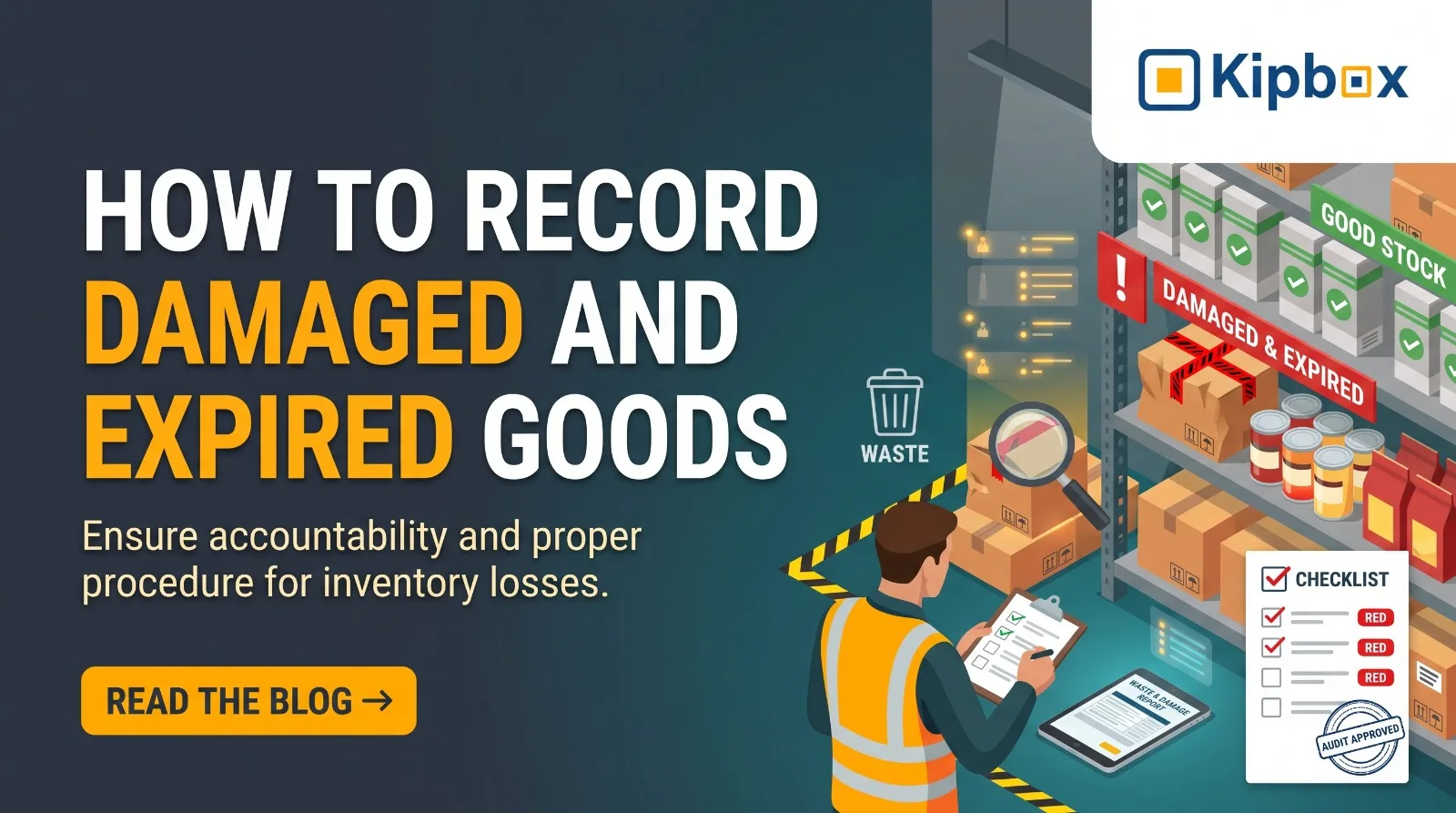
3. Damaged and expired goods thrown away quietly
Broken bottles, crushed packs and expired items get binned. If nobody writes it down, the loss looks like theft.
4. Theft and "small small" removals
This is the cause everyone fears, and it is the hardest to prove. A staff member, a customer, or a delivery person takes one item at a time.
5. Mistakes in your notebook
Wrong figures, forgotten entries, pages torn out. A paper record is only as good as the person writing it on the busiest day of the week.
What the loss actually costs
Say you sell goods with a 20% profit margin, and you lose ₦50,000 of stock at cost price in a month. To earn that ₦50,000 back in profit, you need to sell about ₦250,000 more goods. One quiet leak can wipe out a whole week of hard selling.
How to find the leak: a simple 4-step method
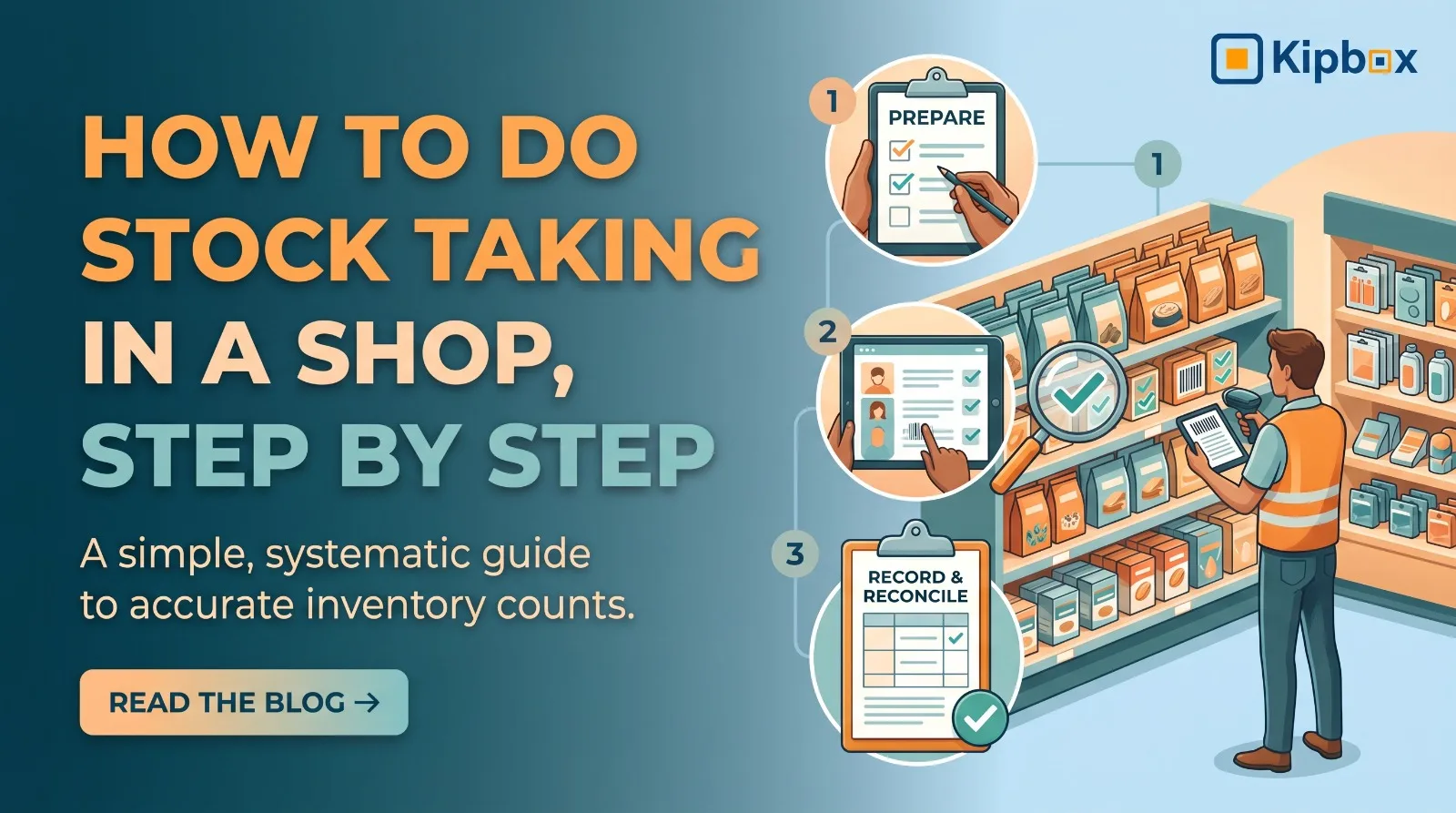
Step 1: Count before you guess. Count a few of your best-selling items today. Write down the quantity you expect and the quantity you find. The gap is your starting point.
Step 2: Trace one item. Take the item with the biggest gap. Work out: opening stock + deliveries − sales − recorded damage = what should be on the shelf. Compare that to what is there.
Step 3: Find where the record breaks. Is it missing sales? Missing deliveries? Missing damage entries? The answer tells you which of the five causes you are dealing with.
Step 4: Put one rule on that point. For example: "No item leaves the shop without a sale entry." or "Every delivery is counted and signed before it is shelved."
Why a notebook can't fix this
The problem is not that your notebook is bad. The problem is that a notebook only shows you a number. It can't tell you who changed the number, when, or why. Without that trail, you are guessing.
To stop stock loss, you need a record of every movement: each sale, each delivery, each correction, each loss, and the staff member behind it.
How KipBox stops stock loss
KipBox is built around the idea that every item movement leaves a trail.
- Live stock levels. Every sale reduces stock immediately, so the number on screen matches the shelf more closely.
- Stock Movement report. For any product, see every movement in order, with a running balance. When a number looks wrong, you can see exactly where it changed.
- Adjust Stock with a reason. When you correct a count, the change is recorded rather than quietly overwritten.
- Staff roles and permissions. Decide who can sell, who can adjust stock, and who can only view. That way a cashier cannot change stock figures.
- Multiple stores. If you run more than one location, each location's stock is tracked separately.
You will not remove every loss. But you will see it quickly, trace it, and fix the cause, instead of finding out three months later.
Frequently asked questions
How often should I check my stock? Count your fast-moving items weekly and everything else monthly. Software makes this easier because you only need to check items where the system shows a gap.
How do I know if it's theft or a recording mistake? Check the movement history first. Most gaps turn out to be unrecorded sales or deliveries. If the history is clean and stock is still missing, you have narrowed it down to a physical loss.
Is it worth moving from a notebook to software for a small shop? If you carry more than a few dozen products, yes. The time you save counting and the losses you catch usually pay for the software quickly.
Stop guessing. Start tracking.
Missing stock is not bad luck. It is a missing record. When every movement is recorded, losses become visible, and visible losses can be fixed.
Try KipBox free and see where your stock is really going. Set up your products in minutes and start tracking every sale, delivery and adjustment today.